
Safely Returning to Strength Training After a Back or Knee Injury
1 July 2026 · 7 min read
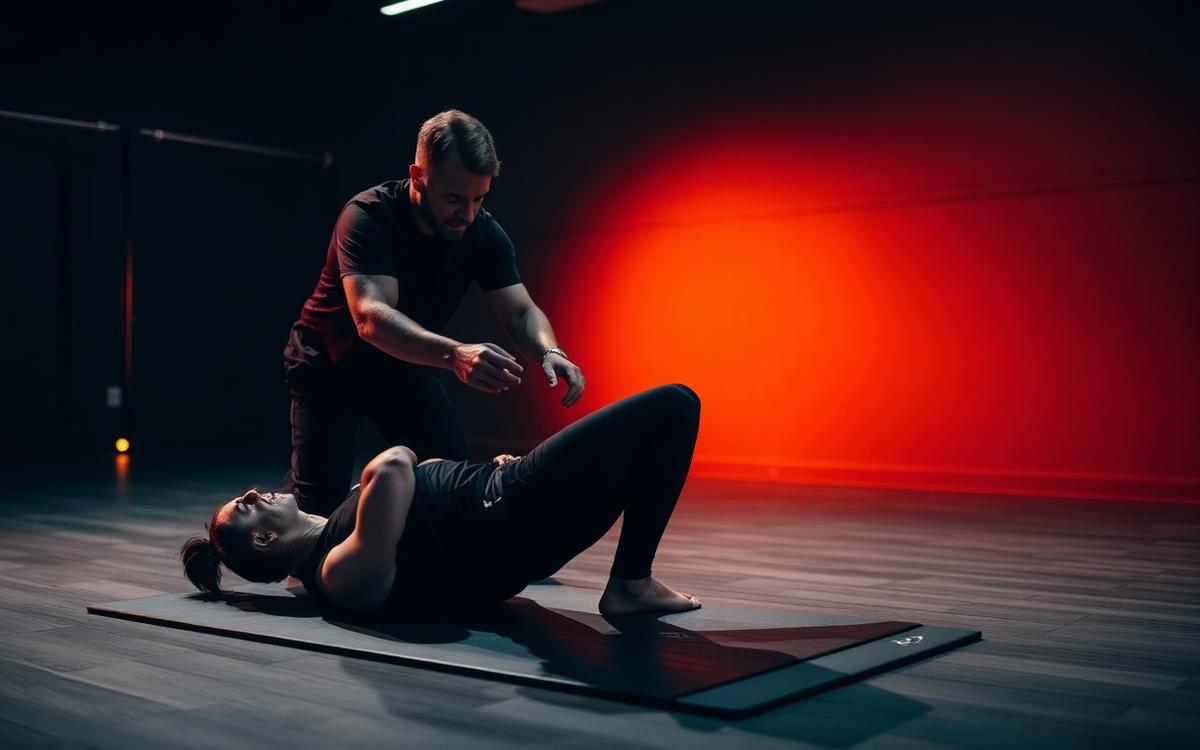
This article is general education, not medical advice. Injury rehabilitation should be led by your physiotherapist or doctor — a good coach works alongside them, not instead of them.
With that clear: most people returning from a back or knee injury fail in one of two directions. They either resume at their old loads within a fortnight, or they avoid loading the area entirely for months and lose the tissue capacity they need.
Stage 1: reintroduce the pattern, not the load
Start with the movement in its easiest form — box squats to a high box, hip hinges with a dowel, split squats holding support. Full range, controlled tempo, no soreness that lasts beyond 24 hours.
Stage 2: rebuild capacity
Add volume before you add intensity. Three sets of ten at a load you could do fifteen times builds tendon and muscle tolerance without spiking joint stress.
- Two to three sessions a week for the affected pattern.
- Load increases of no more than 5 to 10 percent a week.
- Stop the set with two or three reps still in reserve.
Stage 3: return to loading
Only once full range is pain-free at moderate volume do we reintroduce heavier work, and we film it. Technique under fatigue is where re-injury happens.
The rules that keep the comeback on track
- Pain above 3 out of 10 during a set ends that exercise for the day.
- Soreness that lasts more than 48 hours means the last progression was too big.
- Never test a maximum until you have completed a full block without symptoms.
Related service
Form Coaching & Analysis →